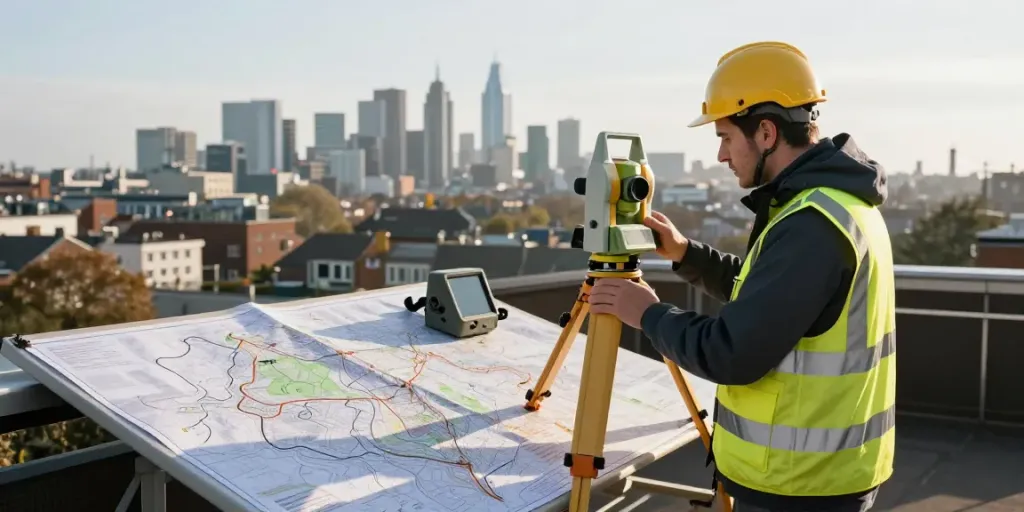
Understanding Measured Building Surveys
Measured building surveys are critical tools for architects, engineers, and property developers, providing the foundational data necessary for various construction and renovation projects. By capturing accurate dimensions and details of existing structures, these surveys assist in informed decision-making and project planning. In a dynamic area like Surrey, where buildings range from historic landmarks to contemporary designs, the importance of precise measurements cannot be overstated. When exploring options, Measured Building Survey Surrey provides comprehensive insights that facilitate successful outcomes.
What is a Measured Building Survey?
A measured building survey is an in-depth examination of a physical structure or site, focusing on capturing precise measurements that reflect the real-world dimensions and features of the environment. The survey typically results in detailed drawings, including floor plans, elevations, and sections, which are essential for any future design work, renovations, or compliance assessments.
Importance of Measured Building Surveys in Surrey
The significance of measured building surveys in Surrey cannot be overlooked. As property developers and architects navigate the complexities of local regulations, site conditions, and architectural styles, having accurate and detailed survey data ensures that projects adhere to guidelines and meet client expectations. Additionally, these surveys can identify potential issues, such as structural defects or space limitations, allowing for better planning and execution.
Key Technologies Used in Measured Building Surveys
Modern measured building surveys have evolved significantly with advancements in technology. Two key technologies utilized in this field are:
- Total Stations: These devices enable surveyors to measure angles and distances with high accuracy, generating 2D and 3D models of structures.
- Laser Scanners: By capturing millions of data points in a matter of minutes, laser scanners produce detailed 3D point clouds that can represent complex geometries and spaces.
The integration of these technologies enhances the overall efficiency and accuracy of the surveying process, providing critical data for planning and design work.
Applications of Measured Building Surveys
Measured building surveys play a vital role in various sectors, from residential renovations to large-scale industrial developments. Their applications extend to:
Benefits for Property Developers
For property developers, measured building surveys offer tangible benefits, including:
- Accurate Site Analysis: Detailed measurements help identify the best use of space, weight load considerations, and potential design challenges.
- Cost Efficiency: By preventing costly redesigns and addressing issues early in the planning stages, developers can save both time and resources.
Impact on Renovation Projects
Renovation projects can greatly benefit from the insights derived from measured building surveys. Understanding the existing structure's condition allows for informed decisions regarding changes, additions, or restorations. When renovations are based on accurate data, the likelihood of unforeseen complications diminishes, ensuring smoother project execution.
Role in Urban Planning and Development
Measured building surveys are also essential in the realm of urban planning. They provide city planners and policymakers with the necessary data to make informed decisions about land use, infrastructure developments, and community planning. The surveys help in assessing the spatial relationships between existing structures and potential new developments, ensuring a cohesive and well-structured urban environment.
Choosing the Right Surveying Company in Surrey
Selecting the right surveying company can significantly impact the success of your project. Here are key factors to consider:
Essential Qualities of a Professional Surveyor
When choosing a surveying company in Surrey, look for the following essential qualities:
- Experience: An established company with a proven track record is more likely to produce reliable surveys.
- Accreditation: Ensure the surveyor is accredited by relevant professional bodies, indicating their commitment to quality and standards.
- Technological Capability: The use of state-of-the-art technology is a significant advantage in achieving accuracy.
Factors to Consider When Selecting a Surveyor
In addition to the essential qualities, consider factors such as:
- Client Reviews: Feedback from previous clients can provide insight into the surveyor's reliability and professionalism.
- Service Range: Choosing a company that offers a wide range of surveying services can be beneficial if additional surveys are needed.
- Cost Transparency: Look for clear pricing structures and avoid companies that do not provide detailed quotes.
Common Mistakes to Avoid
To ensure you make the right decision, avoid these common pitfalls:
- Choosing Based Solely on Price: While cost is a factor, prioritizing quality and expertise is crucial.
- Neglecting to Verify Credentials: Always check the qualifications and licenses of the surveying company.
- Ignoring Post-Survey Support: Ensure the company offers support after the survey, such as data analysis or revisions if needed.
Best Practices for Conducting Measured Building Surveys
Effective measured building surveys require careful planning and execution. Here are some best practices for conducting them:
Preparation Steps Before the Survey
Proper preparation is key to a successful survey. Steps include:
- Site Assessment: Conduct an initial visit to understand the site conditions and any potential access issues.
- Client Briefing: Gather detailed requirements from the client to ensure the survey meets their needs.
- Equipment Calibration: Ensure all surveying instruments are calibrated and functioning correctly before the survey begins.
Methods for Accurate Data Collection
During the survey, focus on using reliable methods for data collection, such as:
- Cross-Referencing Data: Compare measurements from multiple tools to enhance accuracy.
- Real-Time Processing: Utilize software that allows for immediate data analysis and adjustments during the surveying process.
Post-Survey Analysis and Reporting
After collecting data, thorough analysis is critical. Key steps include:
- Data Verification: Cross-check data for consistency and accuracy before finalizing reports.
- Client Reporting: Produce detailed reports with visuals and clear explanations of findings for clients.
- Feedback Mechanism: Encourage client feedback to improve future surveying practices.
The Future of Measured Building Surveys in Surrey
As we look towards 2026 and beyond, the landscape of measured building surveys is poised for transformation. Several emerging trends and technological advancements are anticipated:
Emerging Trends for 2026 and Beyond
In the future, we can expect:
- Increased Use of Drones: Drones are being integrated into surveying practices to capture aerial data quickly and effectively.
- Integration of BIM: Building Information Modelling (BIM) is becoming standard, facilitating better data management and collaboration among stakeholders.
Technological Advancements Impacting the Industry
Additionally, advancements in software and hardware technology will enhance the precision and scope of surveying practices, contributing to more accurate readings and enhanced modelling capabilities. Virtual reality (VR) and augmented reality (AR) are also starting to play roles in visualising survey data.
Preparing for Future Developments in Surveying
To stay competitive, surveying companies in Surrey must invest in continuous training and updates to their technological arsenal. This proactive approach not only ensures compliance with evolving industry standards but also meets the changing demands of clients.
How Much Does a Measured Building Survey Typically Cost?
The cost of a measured building survey in Surrey varies based on several factors, including the size of the property, the complexity of the site, and the specific services required. On average, clients can expect to pay anywhere from £500 to £3,000, depending on these variables. It is advisable to obtain multiple quotes and compare services offered.
What is the Duration of a Measured Survey?
The duration of a measured survey can range from a few hours to several days, depending on the property's size and conditions. Simple surveys may be completed in a day, while larger, more complex sites might require extended periods for accurate data collection and analysis.
Is a Measured Survey Necessary for Your Project?
Ultimately, the necessity of a measured survey depends on the specific requirements of your project. If you are undertaking renovations, new construction, or any significant modification involving structural integrity, a measured survey is highly recommended to avoid costly mistakes and ensure compliance with regulations.